
Written for the person doing the booking
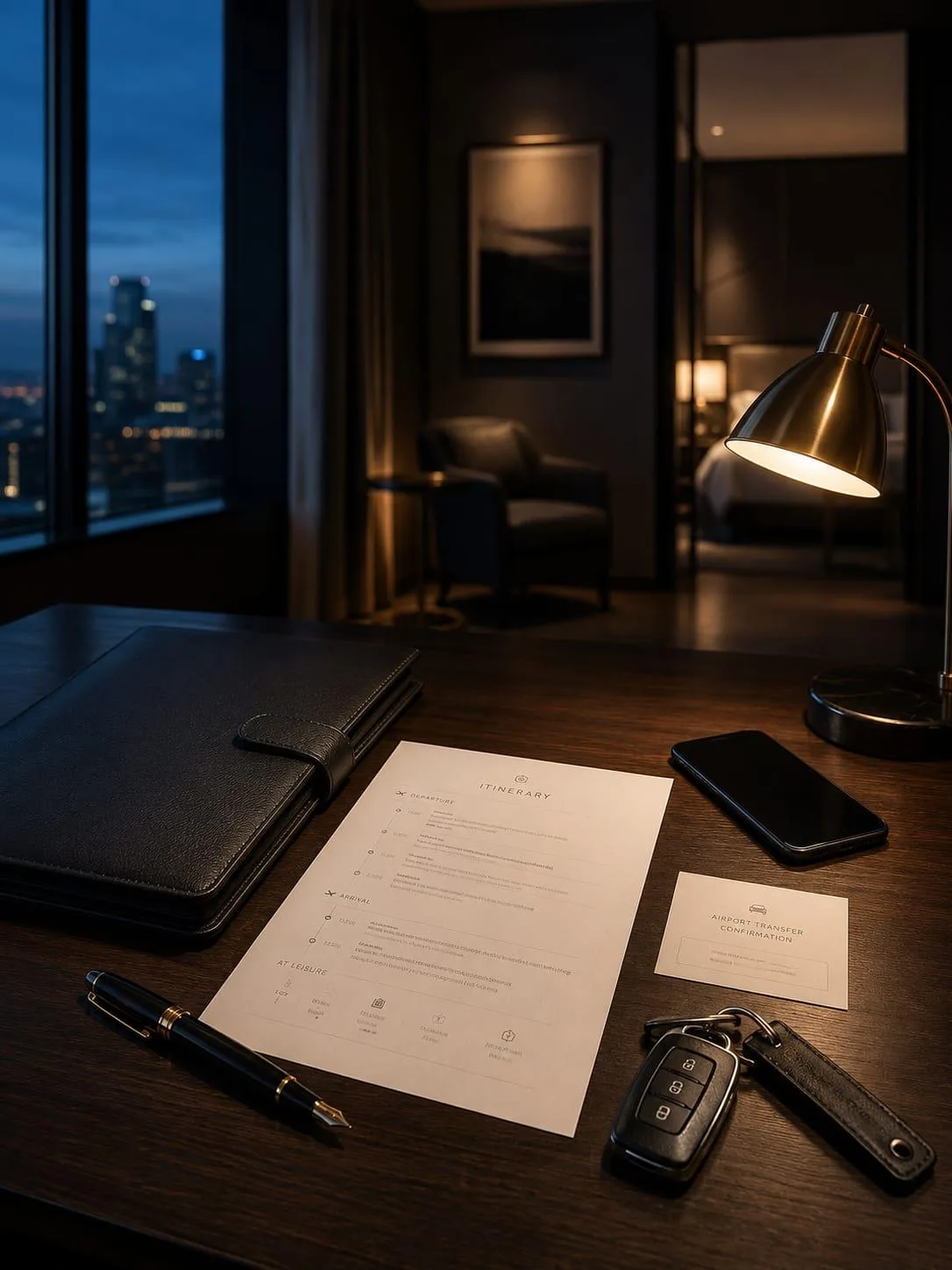
Most corporate calls we take do not come from the passenger. They come from an executive assistant, a chief of staff or a travel manager arranging the day on someone else's behalf, and that person is the one who hears about it if the car is late. So the service has to answer to them first. You get the chauffeur's name and mobile number before the day starts, a confirmation you can forward without rewriting it, and one number to call at 2:40 when the 2 o'clock meeting has not broken up and the rest of the afternoon needs to shift.
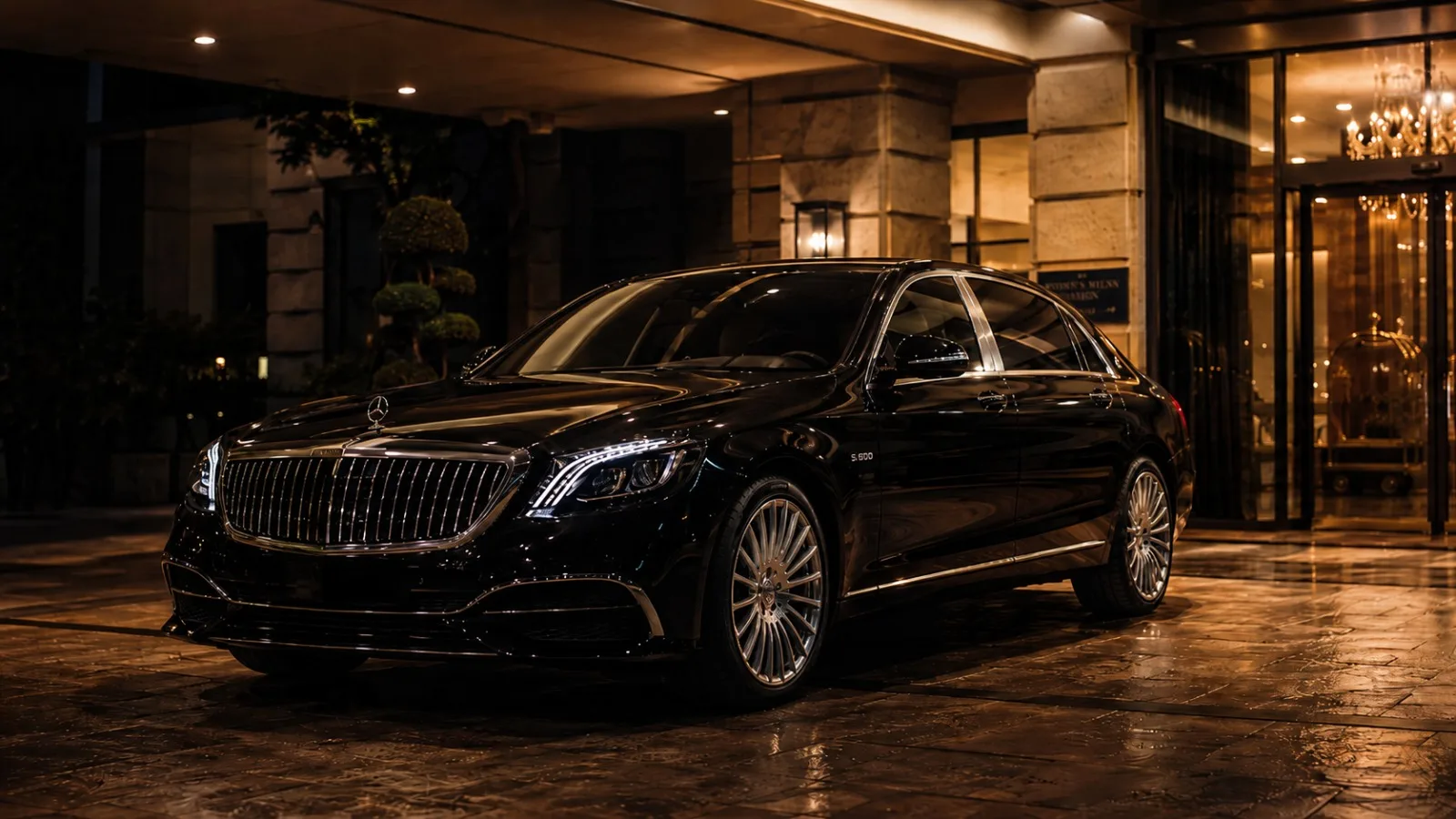
Corporate days are booked as time rather than as separate trips. A dedicated chauffeur for a half day or a full day keeps the same vehicle with your executive between stops instead of releasing it and re-requesting one, so coats, bags and paperwork stay in the car. That is what makes a roadshow work. Across Manhattan and northern New Jersey the constraint is almost never the driving. It is where the vehicle can legally wait while a forty minute meeting turns into an hour.
Discretion is part of the job description. Chauffeurs treat the cabin as a private office: calls, documents and conversation stay in the vehicle, and drivers do not discuss passengers, destinations or schedules with anyone.
Because the concierge desk sits on the same account, the hotel and restaurant bookings that bracket a trip are arranged in the same thread as the cars, and the flight-tracked airport transfer at either end lines up with the itinerary. When a team travels together, an executive Sprinter keeps everyone in one vehicle. For anything larger, see group transportation and conference shuttles.